How to Make Matcha at Home Without Guesswork
By Mawakin Editorial · Updated
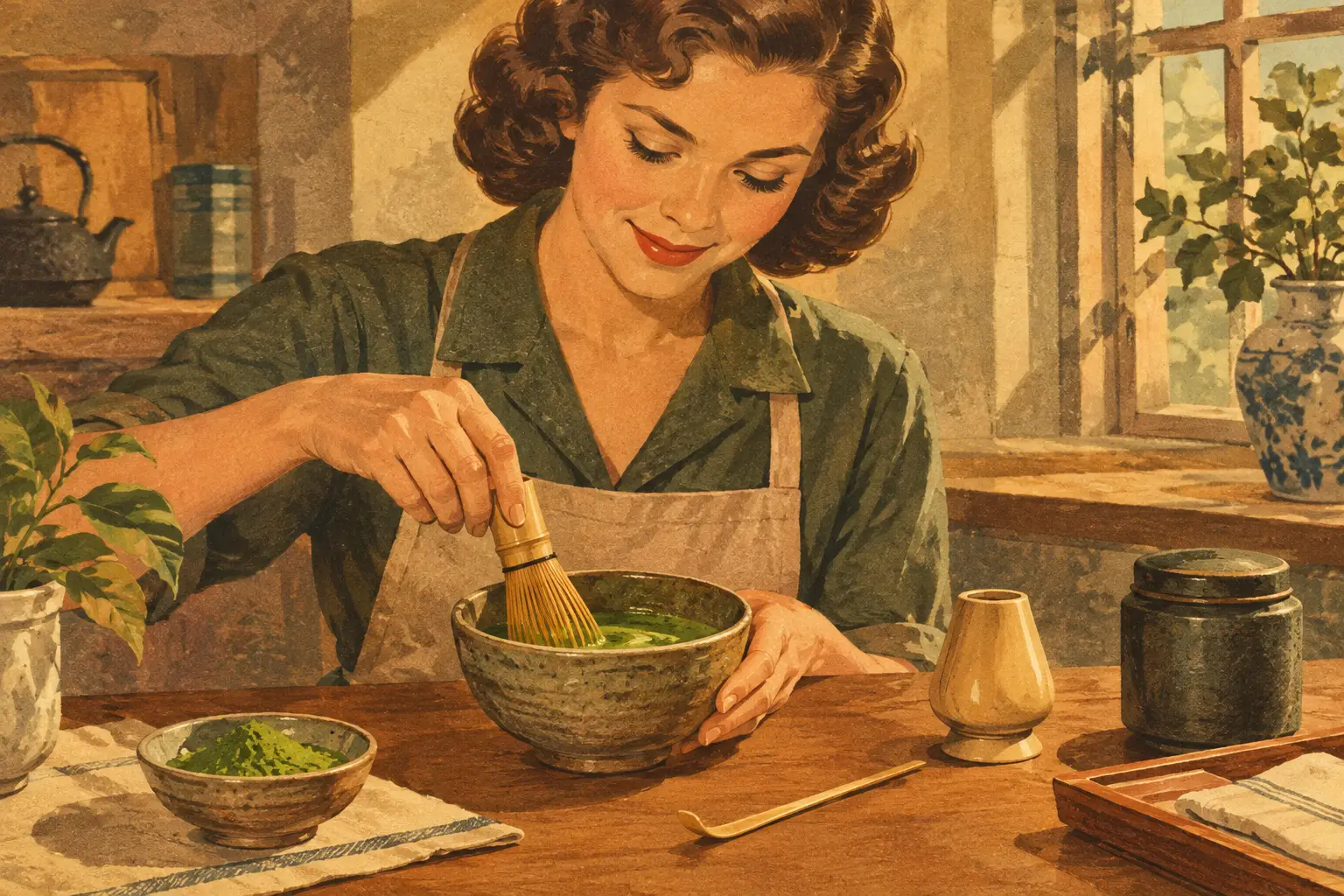
A good bowl of matcha is not complicated, but it is sensitive to small details. Water that is too hot, powder that is not sifted, or a rushed whisk can turn a calm morning ritual into a bitter, grainy drink. Learning how to make matcha at home gives you a simple way to get a smooth, bright cup without relying on a cafe or treating the process like a ceremony you have to get exactly right.
The goal is consistency. A few basic tools and a repeatable sequence are enough.
Start with the right matcha and a few useful tools
Use matcha you would be willing to drink on its own. This is often labeled ceremonial grade, though labels vary between brands. Look for powder that is a vivid green, smells fresh and lightly grassy, and is stored in an airtight container. Dull olive powder may still work in a latte, but it is more likely to taste flat or bitter when prepared with water alone.
For one serving, you need about 1 teaspoon, or 2 grams, of matcha and 2 to 3 ounces of hot water. You will also need a small bowl, a fine mesh sifter, and a whisk. A bamboo matcha whisk, called a chasen, produces the light foam associated with traditional preparation. It is a useful tool, not a requirement for enjoying matcha. A small handheld frother can work when that is what you have, though it tends to make larger bubbles and can be harder to control.
A wide bowl makes whisking easier than a narrow mug. If you are building a regular practice, this is one detail worth getting right. Your hand has room to move, and the matcha has room to aerate.
How to make matcha at home: the basic method
This method makes a light, traditional-style serving of matcha, sometimes called usucha. It is designed to be drunk as is, not stretched into a large cup of water.
Warm the bowl and prepare the whisk
Pour hot water into your bowl, then place the whisk tips in the water for a few seconds. This warms the bowl and gently softens the whisk tines. Discard the water and dry the bowl well. Matcha dissolves more evenly in a warm, dry bowl than in a cold one with leftover droplets.
If you use a bamboo whisk, do not leave it soaking. A brief rinse is enough. Let it dry with the tines facing down or on a whisk holder if you have one.
Sift the matcha
Measure 1 teaspoon of matcha through a fine mesh sifter into the bowl. Press it through gently with a small spoon. This takes less than a minute and prevents the dry clumps that are difficult to whisk out later.
Skipping this step will not ruin every cup. Fresh, finely milled matcha may whisk smoothly on its own. But if you want a dependable result, sifting is the simplest safeguard.
Add water that is hot, not boiling
Heat filtered water to about 175°F. If you do not use a thermometer, bring the water to a boil, then let it sit uncovered for five to seven minutes. The exact cooling time depends on your kettle and room temperature, so use taste as your guide over time.
Pour in 2 to 3 ounces of water. Boiling water can scorch matcha, bringing forward a harsh bitterness. Water that is too cool can leave the flavor muted and the texture slightly chalky. The useful middle ground is hot enough to open the tea's aroma without punishing it.
Whisk with quick, light movement
Hold the bowl steady with one hand. With the other, whisk briskly in a loose W or M motion for about 15 to 20 seconds. Use your wrist more than your arm. The whisk should move near the surface and across the bowl, rather than pressing hard into the bottom.
Stop when the matcha looks evenly mixed and has a layer of fine foam. A few small bubbles are normal. You are not trying to create a thick cappuccino-style head. You are looking for a smooth drink with no visible powder gathering at the sides or bottom.
Drink it promptly. Matcha naturally settles, and its texture changes as it cools. A few gentle turns of the bowl before each sip will keep the last mouthful from becoming too concentrated.
Adjust the cup to your taste
The standard ratio is a starting point, not a rule. If the flavor feels too intense, use the same 1 teaspoon of matcha with 3 to 4 ounces of water. If it tastes thin, reduce the water slightly before adding more powder. Changing one variable at a time makes it easier to understand what improved the cup.
For a stronger, thicker preparation, use 2 teaspoons of matcha with about 2 ounces of water. Whisk more slowly than you would for a lighter serving. This style has less foam and a fuller texture. It also asks more of your matcha, so it is best made with powder you genuinely like.
Sweetener is optional. If you are new to matcha, a small amount of honey, maple syrup, or vanilla can make the transition easier. Add it after whisking, then stir gently. The trade-off is straightforward: sweetener softens bitterness but can cover the tea's natural savory, lightly sweet character.
Making a matcha latte without a gritty base
A matcha latte begins with the same small bowl of whisked matcha. Do not put dry powder directly into a full cup of milk and expect it to blend evenly. Make a concentrated base first.
Sift 1 teaspoon of matcha into a bowl and whisk it with 2 ounces of 175°F water. Sweeten the base if you want to. Then add 6 to 8 ounces of warm milk or a cold milk of your choice. Oat milk creates a naturally creamier drink, while dairy milk tends to make the flavor rounder. Unsweetened almond milk is lighter but can leave the matcha tasting more pronounced.
For iced matcha, use a little less water in the base, around 1 1/2 to 2 ounces. Fill a glass with ice, add milk, then pour the whisked matcha over it. Stir before drinking. The order is practical: it keeps the green layer visible for a moment, but more importantly, it prevents the powder from sticking to ice before it has been fully mixed.
Fix the problems that make matcha feel difficult
If your matcha is bitter, first lower the water temperature. This is the most common cause. Then consider whether the powder has been sitting open in a warm cupboard for months. Matcha is finely ground green tea, and it loses freshness faster than whole-leaf tea. Store it sealed, away from light and heat. For longer storage after opening, the refrigerator is useful, but let the container come to room temperature before opening it to avoid condensation.
If your matcha is clumpy, sift it. If it is still clumpy, make a small paste first: add a teaspoon of warm water to the sifted powder and mix it smooth, then whisk in the remaining water. This is especially helpful with a frother or a small kitchen whisk.
If the drink tastes weak, the answer is not always more matcha. Start by reducing the water. A cup can taste diluted because the ratio is off, because the water is too cool, or because the powder is older than it should be. More powder can make the drink heavier without making it better.
If you cannot get foam, check your bowl and technique. A narrow cup limits the whisk's movement. Whisking in circles tends to stir rather than aerate. Move quickly in a zigzag pattern near the surface, and use a little more water if the mixture is unusually thick.
Make the ritual small enough to keep
A home matcha practice does not need a dedicated counter, a long morning, or a collection of specialty pieces. Keep the matcha, sifter, bowl, and whisk together where you can reach them. Use the same ratio for a week before changing it. This reduces the small decisions that make a simple ritual feel like another task.
Some mornings, you may make a careful bowl and drink it standing by the window. Other mornings, you may whisk matcha quickly before a meeting and take it in a travel cup. Both count. The point is not to perform calm. It is to give yourself one well-made thing before the day asks for the rest of your attention.